Alu-Windows24.com
DE
Modern home with exterior shading on large aluminum windows – exterior shading systems featured on Exterior Shading for Aluminum Windows | Blinds
Home / Products / Exterior Shading
Exterior Shading · Venetian Blinds · Roller Shutters · Zip Screens

Exterior shading designed around the window.

Reduce solar heat gain and glare while adding privacy—with a system coordinated to the room, façade and aluminum window.

Exterior Shading Advisor

Start simply.
Plan confidently.

Answer four short questions for a clear first recommendation and a practical alternative.

What matters

Exterior shading is more than “open” or “closed.”

A bedroom needs different performance than a bright living area or screen-based workspace. That is why we consider the desired effect, installation conditions and controls together.

  • Stop solar heat before it reaches the glass
  • Control daylight and outward views
  • Coordinate the window, insulation and head box
Your project1 / 4
01 · PRIORITY

What should the shading system do first?

Choose your main goal. Additional requirements can be coordinated afterward.

02 · PROJECT PHASE

At what stage will shading be installed?

The project phase affects the head box, wiring routes and connection to the façade.

03 · OUTWARD VIEW

Should the outward view remain visible?

This often determines whether a closed or light-filtering system is the better fit.

04 · CONTROLS

How should the system be controlled?

Controls, power supply and automation are coordinated separately.

Your initial recommendation
Exterior Venetian Blind + Zip Screen

Why it fits
Practical alternative
Installation & controls
Interactive Exterior Shading Studio

Three systems.
Three distinct effects.

See how an exterior venetian blind, zip screen and roller shutter behave at the window. Each simulation follows the real operating principle—from rotating aluminum slats to guided screen fabric.

Live function simulation
01 · DIRECT DAYLIGHT

Aluminum slats in motion.

Each slat rotates around its own axis. Daylight remains useful while glare and direct solar exposure are precisely controlled.

openclosed
Best forPrecise daylight control
Outward viewFlexible outward view
MovementSlats rotate

Illustrative functional simulation. Actual performance depends on the selected profile, fabric, color, window size and installation conditions.

System options

Three systems.
One clear goal.

The best solution depends on room use, orientation, window size, wind exposure and the required level of room darkening.

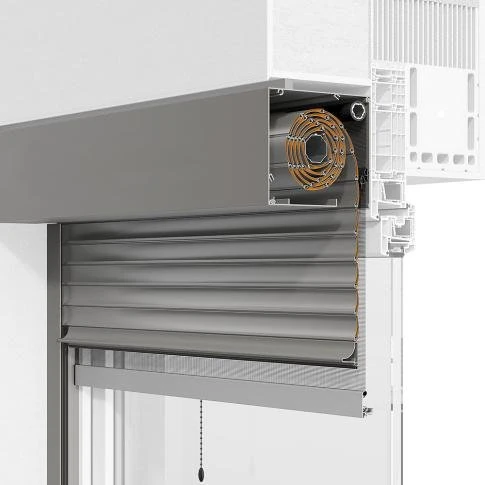
Exposed front-mounted head box with exterior roller shutter – exterior shading systems featured on Exterior Shading for Aluminum Windows | Blinds01

Roller Shutter

A roller shutter is especially useful when strong room darkening, privacy and a closed protective curtain are priorities.

BedroomsRoom darkeningPrivacy
Light
Very dark when fully closed.
Installation
Available in top-mounted or front-mounted configurations.
Limitation
No outward view while the curtain is closed.
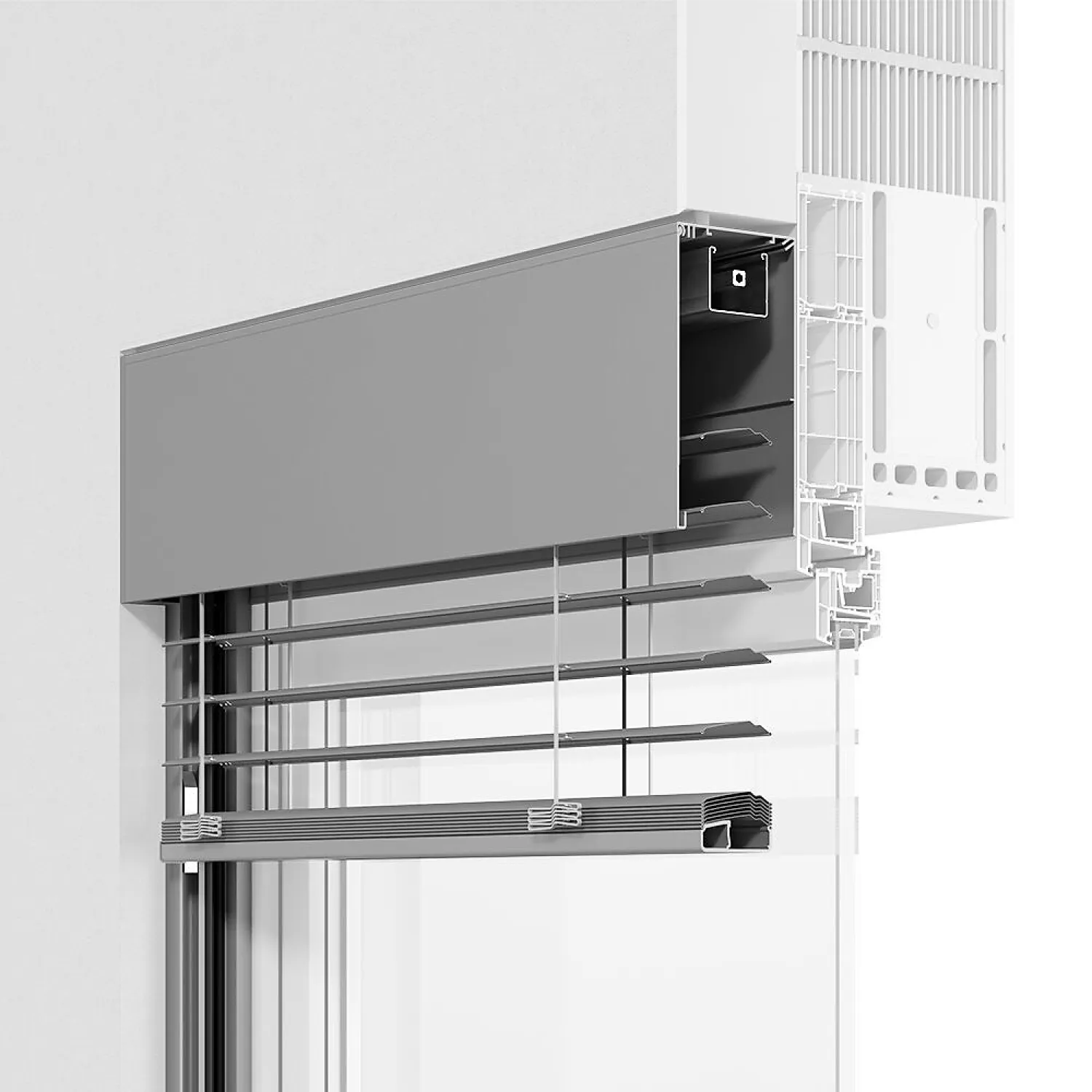
ROMA MODULO.P front-mounted exterior venetian blind with exposed – exterior shading systems featured on Exterior Shading for Aluminum Windows | Blinds02Product image · ROMA
ROMA MODULO.P · Modular exterior venetian blind

Exterior Venetian Blind

Tiltable slats direct daylight and reduce glare without fully closing the room to the exterior.

Living areasDaylightOutward view
Light
Precisely controlled through the slat angle.
Limitation
Not intended for complete blackout.
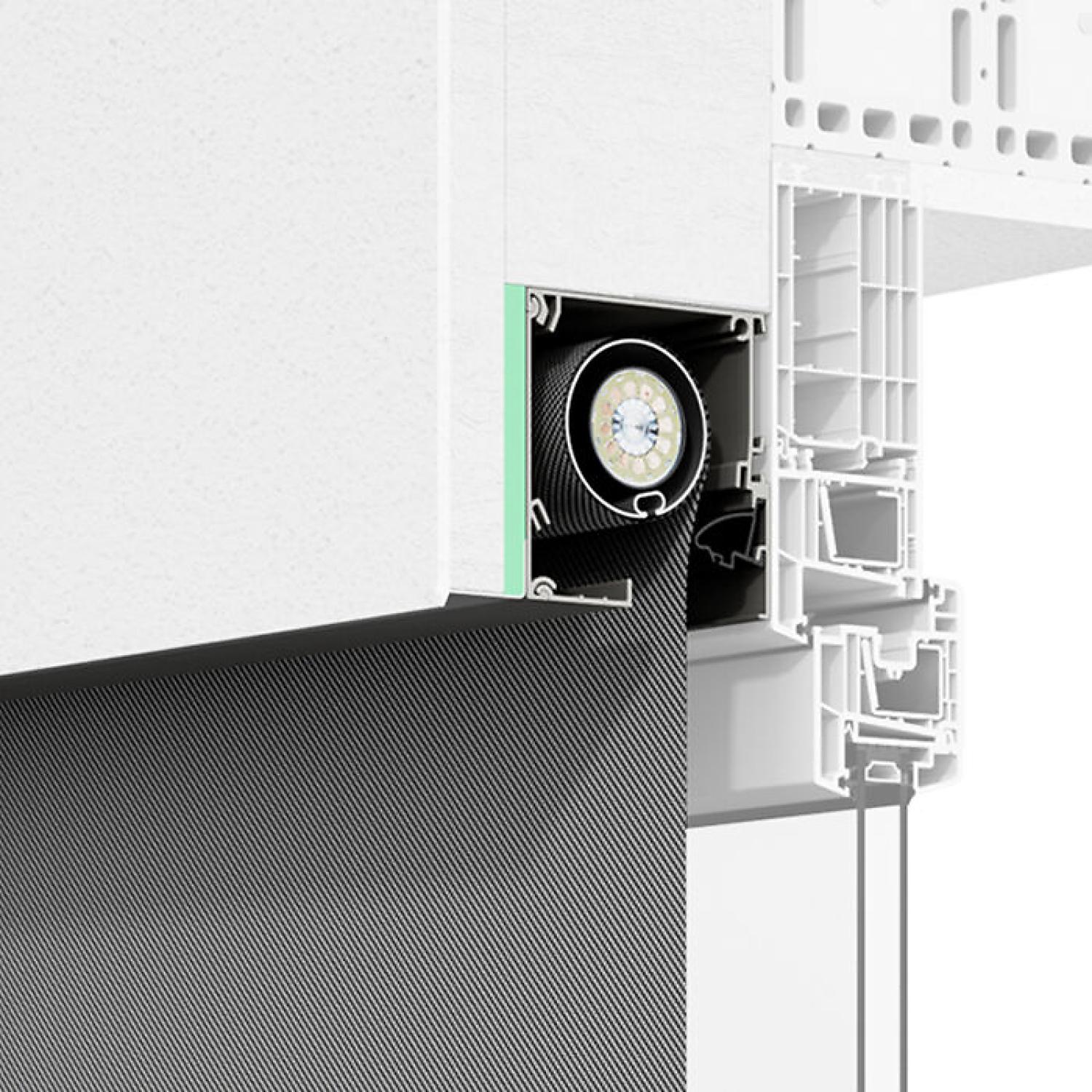
ROMA zipSCREEN.2 Basis INTEGO front-mounted zip screen – exterior shading systems featured on Exterior Shading for Aluminum Windows | Blinds03Product image · ROMA
ROMA zipSCREEN.2 Basis INTEGO · Concealed

Zip Screen

Technical screen fabric reduces glare and solar exposure while preserving outward visibility, depending on the selected weave.

Home officesLarge glazingMinimal appearance
Light
Depends on fabric color and openness factor.
Limitation
Not automatically private at night.
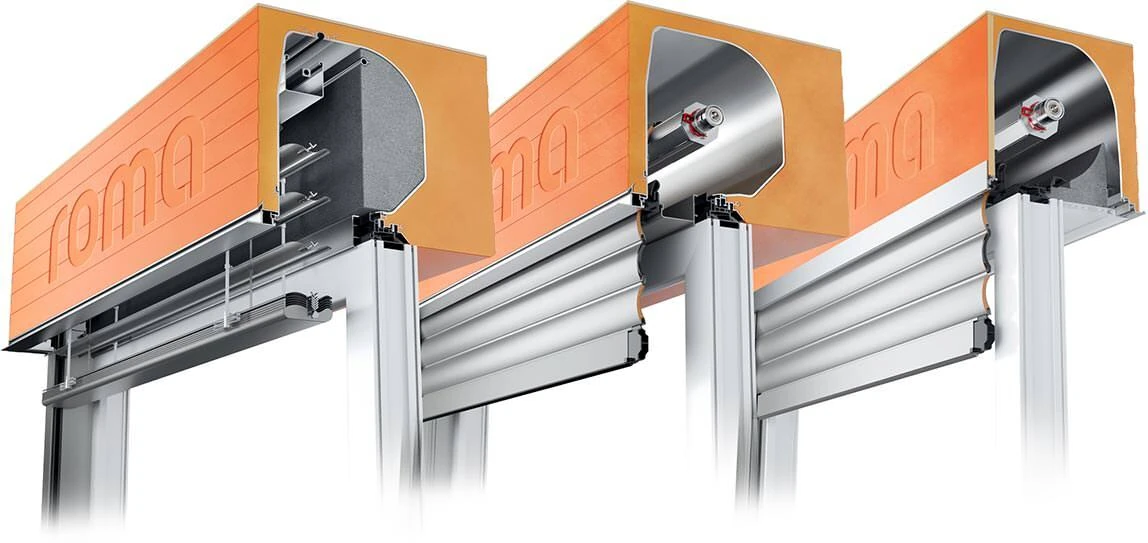
Section view of ROMA top-mounted head boxes for roller shutters – exterior shading systems featured on Exterior Shading for Aluminum Windows | Blinds
Head-box detail

Top-mounted head boxes: connected directly to the window.

The orange section view shows typical ROMA top-mounted head-box configurations. The box sits above the window frame and is installed together with the window. This is especially relevant for new construction or renovation with window replacement; the curtain, insulation and wall build-up are selected to suit the project.

Which installation type fits the project phase?

Initial guidance only—technical feasibility must be confirmed for the specific project.

Project conditionCommonly suitable approachIn plain language
New constructionTop-mounted systemThe window and shading system are planned together and installed as one coordinated assembly.
Renovation with window replacementTop-mounted or front-mounted systemThe head box, insulation and façade can be coordinated together.
Retrofit without window replacementFront-mounted systemExterior shading is added while the existing window can often remain in place.
Large glazed façadeFaçade or project-specific systemUnit size, wind exposure, guides and façade connections require project-specific planning.
Floor-to-ceiling windowCoordinated complete assemblyThe window, shading system and any required fall protection must be coordinated together.
Plan with the window

Cleanly integrated.
From the start.

Exterior shading works best when it is designed as part of the window package. We coordinate the head box, insulation, guides and finish with the building envelope.

01Exterior solar control before the glass
02Façade and window planned together
03Controls matched to daily use
04Finishes coordinated with the architecture
01

Top-mounted head box

Designed as one assembly with the window—well suited to new construction and major renovation projects.

02

Concealed front-mounted head box

The box sits in front of the opening and can be concealed within the exterior insulation or façade build-up.

03

Exposed front-mounted head box

A practical retrofit option: visible, serviceable and often straightforward to add to an existing building.

Understanding zip screens

The fabric makes the difference.

Brightness, privacy and transparency depend on the fabric, color and openness factor. The design therefore considers both finish and the desired outward view.

More open weaveMore daylight and outward visibility—with less privacy.
Denser weaveMore glare control and privacy—with less outward visibility.
Darker colorCan improve outward visibility; solar and thermal effects must be evaluated for the selected project and fabric.
Controls, power and automation

As much convenience
as your project needs.

These four items are coordinated separately, making it clear what the motor, solar supply and smart-home system each provide.

01 · CONTROLSSwitch, remote or app

Operate at the window, by handheld remote or mobile app—depending on the motor and control platform.

02 · POWERWired power or solar

A solar module charges the motor battery and can reduce new wiring requirements in retrofit applications.

03 · AUTOMATIONSun, schedule and wind

Sensors and schedules respond to weather and daily routines. Operating limits remain product specific.

04 · CONNECTIVITYSmart Home

Integration depends on the motor, wireless protocol and existing home-automation platform.

Plan with confidence

Wind, safety
and maintenance.

Exterior shading is moving equipment on the façade, so these topics belong in the project plan from the start.

Wind & weather

Unit size, guide type and installation exposure affect wind resistance. A wind sensor can automatically move the shading system to a protected position.

Always verify product-specific operating limits
Emergency egress & safety

A roller shutter can make access more difficult, but it does not replace a complete security strategy. Emergency opening and code requirements must be coordinated at egress windows.

No blanket security claim
Cleaning & maintenance

Inspect guides and curtains regularly. Water, a soft cloth and mild cleaner are usually sufficient; pressure washing can damage components.

Have electrical components checked by a qualified professional
Clear answers

What to know before planning.

The most important differences, explained clearly and with the necessary technical context.

What is the difference between a roller shutter and an exterior venetian blind?

A roller shutter uses a largely closed curtain and is well suited to room darkening and privacy. An exterior venetian blind uses tiltable slats to direct daylight and reduce glare without completely closing the room to the outside.

Which exterior shading system works for large windows?

Exterior venetian blinds and zip screens are often suitable for large windows. Blinds provide precise daylight control, while screens create a calm surface and can retain outward visibility. Unit size, wind exposure and guides require technical verification.

Which exterior shading system helps reduce solar heat gain?

Roller shutters, exterior venetian blinds and zip screens can reduce summer solar heat gain by intercepting sunlight before it reaches the glass. The right system depends on the room, orientation, window size, desired view and façade.

Can exterior shading be retrofitted without replacing the window?

Often, yes. Front-mounted systems are installed outside the existing window. Feasibility depends on the opening, head condition, insulation, sill and wiring routes.

Can solar-powered exterior shading work without permanent wiring?

Suitable systems use a solar module and battery to power the motor, eliminating permanent wiring to the shading unit. Feasibility depends on the product and solar-module exposure.

Does a zip screen provide privacy at night?

Not automatically. When the interior is brighter than outside, transparent fabric can allow views into the room. A denser fabric or different shading system should be considered for stronger nighttime privacy.

What happens during a power outage or at an emergency-egress window?

Without special provisions, motorized shading may remain in its current position during a power outage. Emergency cranks, battery backup or another release method may be required at critical openings and egress windows, subject to project and code review.

Next step

Your window. Your shade.

Send dimensions, drawings or your initial questions. We will help identify the exterior shading systems worth evaluating for your project.

Start a Project Inquiry ↗
Project Assistant